Enjoy seasonal discounts on our full edition set eBook!

10 Global Flavors That Wake Up Everyday Meals
Rediscover the joy of everyday cooking with ten global flavors that bring new life to familiar dishes. From the smoky heat of harissa to the deep umami of miso, this guide shows how a single spoonful of the right spice or sauce can turn simple meals into small culinary adventures — vibrant, effortless, and full of character.
5/8/20246 min read
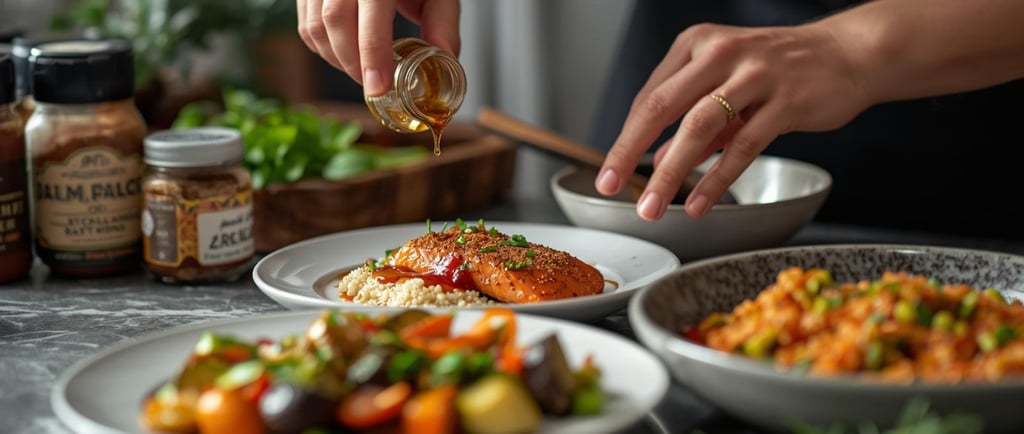
There comes a point when even the most devoted home cook hits a wall. The same pasta, the same roast chicken, the same rotation of flavors start to feel flat. But one simple spoonful of the right spice blend, sauce, or condiment can completely transform dinner. Global flavors are more accessible than ever, and you don’t need special training to use them. In fact, a few pantry staples from around the world can wake up your meals instantly.
This guide introduces ten versatile global flavors — from North African harissa to Japanese miso — that deliver big character with minimal effort. Each one offers a new sensory path, turning ordinary meals into small adventures.
How to Use This Guide
Think of these flavors as building blocks. You don’t need to overhaul your entire menu — just start with one jar or spice at a time.
The framework is simple:
Base: what you already cook — eggs, chicken, tofu, rice, beans, vegetables.
Flavor: a single global accent — paste, blend, or sauce.
Technique: toss, glaze, marinate, sprinkle, or drizzle.
Finish: acid (lemon or vinegar), herbs, or crunch for balance.
Start with one base, one flavor, and one technique. You’ll find yourself building new dishes effortlessly.
Why These 10 Flavors?
Each flavor in this list meets three criteria:
Accessible – available in most supermarkets or online.
Flexible – works across different proteins and vegetables.
Beginner-friendly – delivers big payoff with little risk.
Let’s explore how these global favorites can bring energy back to your table.
1. Harissa (North Africa)
What it is: A fiery chili-garlic paste blended with cumin, coriander, and olive oil.
Flavor profile: Smoky, spicy, and slightly tangy.
How to use it tonight:
Mix with yogurt to create a creamy dip or marinade for chicken or vegetables.
Stir a teaspoon into scrambled eggs or shakshuka.
Whisk with olive oil and lemon for a punchy salad dressing.
Pairs well with: chickpeas, carrots, cauliflower, chicken, and grains.
Swap if unavailable: chili paste + smoked paprika + lemon juice.
Harissa wakes up even the plainest ingredients with warmth and depth.
2. Gochujang (Korea)
What it is: A fermented chili paste made from red peppers, glutinous rice, and soybeans.
Flavor profile: Savory-sweet heat with rich umami undertones.
How to use it tonight:
Mix gochujang with honey for a glaze on roasted salmon or chicken thighs.
Stir into fried rice for a quick, spicy upgrade.
Whip into mayonnaise for sandwiches or fries.
Pairs well with: salmon, tofu, sweet potatoes, rice, and cabbage.
Swap if unavailable: mix chili paste, miso, and a little honey for similar flavor balance.
Gochujang adds a slow-building heat and complexity that elevates familiar comfort foods.
3. Za’atar (Levant)
What it is: A Middle Eastern spice blend featuring thyme, sumac, and sesame seeds.
Flavor profile: Earthy, citrusy, and aromatic.
How to use it tonight:
Sprinkle on flatbreads brushed with olive oil and bake until crisp.
Dust over roasted chicken or vegetables before serving.
Add to salads with lemon juice and olive oil for an herbal lift.
Pairs well with: tomatoes, cucumbers, eggs, yogurt, and pita.
Swap if unavailable: thyme + sesame + lemon zest + a pinch of cumin.
Za’atar’s mix of herbs and bright sumac gives simple dishes instant sophistication.
4. Dukkah (Egypt)
What it is: A coarse blend of toasted nuts, seeds, and spices like cumin and coriander.
Flavor profile: Nutty, crunchy, and aromatic.
How to use it tonight:
Combine with olive oil as a dip for bread.
Use as a crust for fish or tofu.
Sprinkle over soups or roasted vegetables for texture.
Pairs well with: carrots, eggs, bread, fish, and hummus.
Swap if unavailable: combine chopped nuts and seeds with toasted cumin and coriander.
Dukkah adds both flavor and crunch — the quickest way to turn “plain roasted vegetables” into something special.
5. Chimichurri (Argentina)
What it is: A zesty herb sauce of parsley, oregano, garlic, vinegar, and olive oil.
Flavor profile: Fresh, tangy, and garlicky.
How to use it tonight:
Spoon over grilled steak, mushrooms, or chicken.
Toss with warm potatoes or beans for a fast side dish.
Use as a sandwich spread or marinade.
Pairs well with: beef, mushrooms, potatoes, and beans.
Swap if unavailable: parsley + oregano + garlic + vinegar + olive oil.
Chimichurri brings brightness to rich foods and a lively contrast to roasted or grilled dishes.
6. Garam Masala (India)
What it is: A warm, aromatic spice blend typically including cinnamon, cumin, cardamom, and cloves.
Flavor profile: Fragrant and gently spicy without heat.
How to use it tonight:
Stir into lentil or chickpea stews near the end of cooking.
Toss with roasted cauliflower or carrots before baking.
Add to creamy soups or sauces for extra depth.
Pairs well with: chicken, lentils, rice, and root vegetables.
Swap if unavailable: combine cinnamon, cumin, cardamom, and black pepper.
Garam masala gives everyday meals comforting warmth and layered aroma — ideal for colder evenings.
7. Shichimi Togarashi (Japan)
What it is: A Japanese “seven spice” blend with chili flakes, sesame, citrus peel, and nori.
Flavor profile: Light heat, bright citrus, and toasty sesame.
How to use it tonight:
Sprinkle over noodles or ramen bowls.
Add to avocado toast or popcorn.
Dust over seared fish or fried rice before serving.
Pairs well with: eggs, noodles, seafood, and avocado.
Swap if unavailable: chili flakes + sesame + orange zest + crushed seaweed.
Togarashi provides a fast way to add texture, color, and brightness without overpowering delicate foods.
8. Miso (Japan)
What it is: Fermented soybean paste, available in white (mild), yellow (balanced), and red (strong).
Flavor profile: Deep umami with subtle sweetness.
How to use it tonight:
Stir a spoonful into butter for sautéing mushrooms or corn.
Blend with vinegar and sesame oil for a salad dressing.
Whisk into warm water with scallions for a five-minute soup.
Pairs well with: greens, salmon, tofu, and noodles.
Swap if unavailable: tahini + soy sauce + a little honey for similar depth.
Miso brings savory richness to both plant-based and protein-heavy meals. A small spoon transforms an entire dish.
9. Aji Amarillo Paste (Peru)
What it is: A golden chili paste made from Peruvian aji amarillo peppers.
Flavor profile: Fruity, slightly spicy, and tropical.
How to use it tonight:
Blend with mayonnaise or yogurt for a sandwich spread.
Toss with roasted potatoes or grilled corn.
Mix into sauces for chicken or seafood.
Pairs well with: chicken, potatoes, corn, and shrimp.
Swap if unavailable: mild chili + mango or apricot + lime juice.
Aji amarillo brightens hearty dishes with its sunny color and subtle fruitiness.
10. Chermoula (North Africa)
What it is: A fresh herb and spice marinade made from parsley, cilantro, garlic, cumin, coriander, and lemon.
Flavor profile: Herbaceous, tangy, and lightly spicy.
How to use it tonight:
Drizzle over seared fish or roasted vegetables.
Use as a dressing for chickpea or couscous salads.
Mix with yogurt as a dip or sauce.
Pairs well with: fish, carrots, chickpeas, eggplant, and grains.
Swap if unavailable: parsley-cilantro pesto with cumin and paprika.
Chermoula adds both brightness and balance — ideal for anyone who loves herbs and freshness.
Quick-Start Templates
Once you have even one of these flavors, try these simple combinations.
Eggs and Tofu
Scrambled eggs + harissa butter + fresh herbs.
Crispy tofu + gochujang glaze + sesame.
Poached eggs + za’atar + olive oil + tomato slices.
Vegetables and Salads
Roasted broccoli + miso-maple drizzle.
Cucumber-tomato salad + za’atar + lemon dressing.
Warm potatoes + chimichurri + arugula.
Grains, Rice, and Noodles
Fried rice + gochujang + scallions + fried egg.
Couscous + chermoula chickpeas + carrots.
Cold noodles + togarashi + soy-lime dressing.
Fish, Chicken, and Meat
Sheet-pan chicken + harissa honey glaze.
Salmon + miso-ginger coating.
Grilled steak or mushrooms + chimichurri spooned over.
Each template shows how one flavor can instantly redefine the familiar.
Shopping and Storage Tips
Quality over quantity: buy small jars or pouches; freshness matters more than volume.
Read labels: avoid excessive sodium or sugar in pastes.
Storage: most pastes last three months refrigerated; freeze portions in ice-cube trays for convenience.
Budget tip: start with two versatile options — harissa and miso cover opposite ends of the flavor spectrum.
Troubleshooting and Common Pitfalls
Too intense? Use half a teaspoon first; thin pastes with oil, broth, or yogurt.
Too salty? Many condiments are concentrated; skip added salt until after tasting.
Flat or dull? Add lemon, vinegar, or fresh herbs to lift flavors.
Clashing flavors? Stick to one global accent per meal until you learn its balance.
Learning these flavors is like learning new words — start small, then mix them naturally over time.
FAQs
Do I need special equipment?
No. A mixing bowl, small pan, and spoon are enough.
Which two flavors should I buy first?
Start with harissa for heat and miso for depth — they’re versatile and complement opposite dishes.
Can kids handle these flavors?
Yes, most can be adjusted by adding yogurt, coconut milk, or honey to mellow heat.
How long do they last?
Dry blends: six months in a cool pantry. Pastes: up to three months in the fridge. Always use clean spoons to avoid contamination.
World Tour, Weeknight Speed
Cooking doesn’t need reinvention; it needs reinvigoration. These ten global flavors are more than condiments — they’re shortcuts to discovery. A spoonful of harissa can turn your eggs into a North African breakfast. A dash of miso can make your soup taste like it simmered for hours. A sprinkle of za’atar or dukkah can lift the simplest vegetables into something memorable.
Global flavor isn’t about complexity or authenticity competitions; it’s about curiosity. It’s about inviting the world to your table one jar at a time. So pick one new flavor this week, try it on your favorite base, and rediscover why you love to cook. Your weeknight meals — and your appetite — will thank you.
Follow Sofia!
stay connected
subscribe for updates
© 2025. All rights reserved.