Enjoy seasonal discounts on our full edition set eBook!

How Long Do Cooked Rice, Pasta, and Sauces Really Last in the Fridge?
Learn how to keep your leftovers safe, fresh, and worry-free. This guide breaks down exactly how long cooked rice, pasta, and sauces last in the fridge — plus smart tips for cooling, storing, and reheating them. With clear timelines and simple safety habits, you’ll waste less, eat better, and cook with confidence every time.
10/13/20256 min read
Leftovers are one of the quiet joys of home cooking — quick meals that save time, money, and effort. But how often do you open the fridge, spot a container of rice or sauce, and wonder, “Is this still safe to eat?” You’re not alone. Many home cooks play guessing games with storage times, and while it seems harmless, it can lead to unnecessary waste or even foodborne illness.
This guide lays out clear, reliable timelines for how long cooked rice, pasta, and common sauces really last in the fridge — plus how to store, reheat, and freeze them safely. It’s a practical system for anyone who wants to eat well, stay safe, and waste less.
Understanding Fridge Safety Basics
Whether it’s a pot of rice or a creamy sauce, all leftovers follow the same safety rules. Food safety depends on temperature control and storage discipline.
Keep these fundamentals in mind:
Temperature matters. Set your refrigerator between 0–4°C (32–40°F). Anything warmer lets bacteria multiply quickly.
The two-hour rule. Refrigerate cooked food within two hours of cooking (one hour if your kitchen is hot).
Use shallow containers. Food cools faster when spread out; deep containers trap heat and encourage bacterial growth.
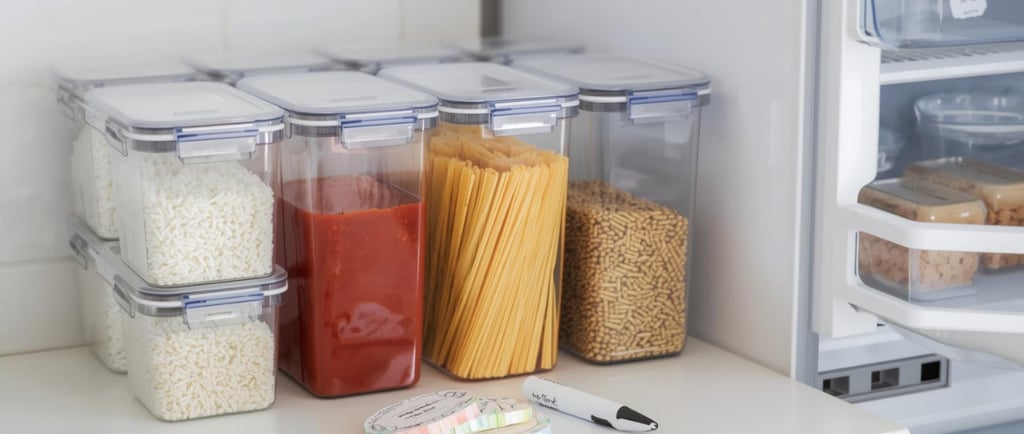
Label and date. Even the most diligent cook forgets timelines. Use masking tape and a marker to write the date you stored it.
Avoid cross-contamination. Keep cooked food away from raw meat or fish, and use clean utensils every time you portion leftovers.
Once you establish these habits, the rest is about learning each food’s specific lifespan.
Quick Reference: How Long Each Food Lasts
Cooked rice usually stays safe to eat for about 3–4 days in the fridge and up to a month in the freezer. Plain pasta lasts a little longer — around 3–5 days in the fridge or 2 months frozen. If it’s already mixed with sauce, aim to finish it within 3–4 days, or freeze it for about 2 months.
When it comes to sauces, the shelf life really depends on what’s inside. Tomato-based sauces last about 4–5 days in the fridge and can be frozen for 3–4 months without losing flavor. Creamy or dairy-based sauces keep well for 3–4 days but tend to separate after 2–3 months in the freezer. Pesto or herb-oil sauces are good for 3–4 days refrigerated and can be frozen for around 3 months — just press plastic wrap on the surface to keep them from browning. Meat-based sauces like ragù or chili stay fresh for 3–4 days in the fridge and up to 4 months in the freezer. Lastly, seafood sauces are the most delicate — try to eat them within 2–3 days, and freeze them only for 1–2 months to keep their texture and flavor at their best.
In short, shorter timelines mean safer meals — so label everything, rotate often, and freeze what you can’t eat soon!
Remember: when multiple ingredients are mixed, the shortest safe timeline applies.
Cooked Rice: Handle With Extra Care
Rice might seem harmless, but it’s one of the most common sources of foodborne illness if stored improperly. The reason lies in a bacterium called Bacillus cereus, which forms spores that survive cooking. If rice is left at room temperature too long, those spores multiply and produce toxins that reheating can’t destroy.
To keep rice safe:
Cool it fast. Spread freshly cooked rice on a baking sheet or shallow pan before transferring it into airtight containers.
Refrigerate promptly. Once cooled, seal and refrigerate within two hours of cooking.
Reheat thoroughly. Add a splash of water to rehydrate, then microwave or steam until piping hot throughout (at least 75°C or 165°F).
Timelines:
Fridge: up to 4 days.
Freezer: up to 1 month (press flat in freezer bags for faster thawing).
When to toss: If rice smells sour, feels unusually hard or sticky, or shows any mold — discard it. Don’t risk it.
Cooked Pasta: Plain vs Sauced
Pasta is forgiving, but time and sauce type make a difference.
Plain pasta:
Fridge: 3–5 days.
Freezer: up to 2 months (toss lightly with oil to prevent sticking).
To reheat, sprinkle a bit of water and cover in the microwave, or toss in a hot pan with olive oil or butter.
Pasta mixed with sauce:
If it’s tomato-based: 3–4 days in the fridge, 3 months frozen.
If it’s cream or meat-based: stick to 3–4 days, 2–3 months frozen.
When reheating, add a spoon of water, milk, or broth to loosen the sauce and heat gently to prevent separation or dryness.
Signs of spoilage: Off smells, slimy texture, gas bubbles in the sauce, or sourness — all mean it’s time to discard.
Sauces: Knowing the Difference Matters
Sauces vary widely in ingredients and moisture content, which directly affects how long they stay safe. Use this breakdown as your cheat sheet.
Tomato-Based Sauces (No Meat)
Fridge: 4–5 days.
Freeze: 3–4 months.
The natural acidity of tomatoes helps prevent bacteria growth, but spoilage still occurs after several days.
Reheat to a gentle simmer before serving, adding water if it thickens too much.
Dairy or Cream Sauces
Fridge: 3–4 days.
Freeze: Possible, but texture often separates.
To revive a separated cream sauce, reheat over low heat while whisking in a bit of milk or cream.
Pesto and Herb-Oil Sauces
Fridge: 3–4 days (press plastic wrap directly onto the surface to reduce oxidation).
Freeze: 3 months, ideally in ice cube trays for easy single-use portions.
Avoid boiling; stir into hot food at the end for best flavor.
Meat-Based Sauces (Ragù, Chili, Bolognese)
Fridge: 3–4 days.
Freeze: 3–4 months.
Divide into small portions before freezing for faster defrosting. Reheat until bubbling.
Seafood Sauces
Fridge: 2–3 days.
Freeze: 1–2 months; quality deteriorates faster.
Reheat gently to avoid rubbery texture and fishy smell.
Common spoilage cues: Sour or rancid odor, curdling, bubbling without heat, or visible mold. When in doubt, throw it out.
Cooling and Storage: Step-by-Step Guide
Good storage habits are just as important as knowing timelines. Use this workflow every time you cook a large batch.
Cool quickly. Divide large pots into smaller shallow containers right after cooking.
Vent first, seal later. Let steam escape before putting on lids.
Refrigerate immediately. Avoid leaving food on the counter.
Label. Write the storage date on each container.
Rotate. Place newer items behind older ones in the fridge (“first in, first out”).
Freeze smart. Use airtight containers or bags with minimal air. Press sauces or rice flat for faster cooling and defrosting.
Following this system reduces both spoilage risk and waste.
Reheating Leftovers the Right Way
Safe reheating means heating food evenly to destroy any potential bacteria.
Temperature goal: 75°C (165°F) or steaming hot throughout.
Microwave: Cover loosely, stir halfway through, and let stand briefly before serving.
Stovetop: Add a small amount of water, broth, or milk to restore moisture; stir gently.
Oven: Use covered, oven-safe dishes and moderate heat (160°C / 325°F).
Never reheat twice. Reheat only what you plan to eat; repeated cycles encourage bacterial growth.
Common Storage Mistakes to Avoid
Leaving food to cool overnight. This is one of the biggest safety risks — bacteria multiply quickly at room temperature.
Overpacking containers. Food needs air circulation in the fridge to cool evenly.
Storing uncovered dishes. They absorb odors and dry out.
Relying on smell alone. Some dangerous bacteria don’t alter the odor or taste.
Using the door shelves for perishable food. Door areas fluctuate in temperature; keep leftovers on middle shelves.
Quality vs. Safety: Not Always the Same Thing
A dish can lose quality before it becomes unsafe. Rice may harden, pasta might soften, or cream sauces could separate — these are texture issues, not necessarily hazards. However, if you see, smell, or feel anything unusual, discard it.
To refresh leftover flavor:
Add lemon juice or vinegar for brightness.
Sprinkle herbs or cracked pepper.
Stir in a knob of butter or olive oil for richness.
Sometimes a small adjustment can restore freshness without risk.
Waste Less Without Worry
Safety shouldn’t come at the cost of waste. Smart planning helps you do both.
Cook once, portion twice. Store half in the fridge for the next few days and freeze the rest immediately.
Label everything. Keep a simple whiteboard or notepad on your fridge door for quick tracking.
Use a “use-first” bin. Put older containers at eye level so they’re eaten before new batches.
Audit weekly. Once a week, check dates and organize what stays or goes.
These small habits turn chaotic leftovers into a system you can trust.
FAQs
Is it safe to eat leftover rice or pasta after a week?
No. Even if it smells fine, bacteria may have grown to unsafe levels after 5–7 days. Stick to 3–4 days or freeze earlier.
Can I scrape mold off sauce and eat the rest?
No. Mold spores spread beyond what’s visible; discard the entire container.
What if I left cooked food out overnight?
Discard it, regardless of how it looks. Once food has spent more than two hours in the temperature danger zone, bacteria can multiply rapidly.
Can I refreeze thawed food?
Only if it was thawed in the fridge and hasn’t been reheated yet. The quality may drop slightly, but it’s still safe.
Store Smarter, Eat Safer, Waste Less
Knowing exactly how long your cooked rice, pasta, and sauces last isn’t just trivia — it’s a form of kitchen confidence. With a few clear rules and mindful habits, you can prevent waste, protect your health, and make the most of your cooking efforts.
Cool food fast, label it clearly, and obey the shortest safe timeline. When in doubt, freeze sooner rather than later. These small steps turn your fridge into an organ
Follow Sofia!
stay connected
subscribe for updates
© 2025. All rights reserved.