Enjoy seasonal discounts on our full edition set eBook!

How to Build a Moodboard Menu for Brunch Guests
Discover how to build a moodboard menu that turns an ordinary brunch into an experience of style and flavor. Through colors, textures, and thoughtfully chosen dishes, you’ll learn to craft a table that feels cohesive, inviting, and beautifully in tune with the mood you want your guests to remember.
5/8/20246 min read
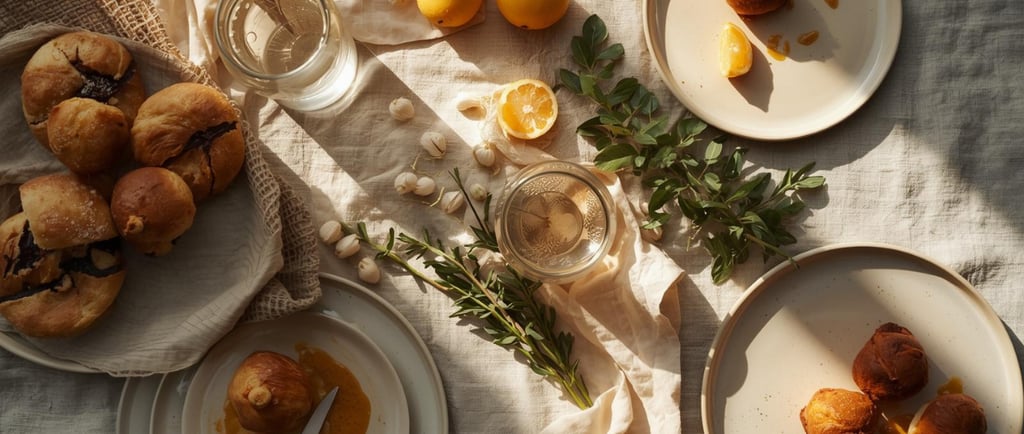
Brunch isn’t just about food — it’s an experience. The warmth of sunlight on tableware, the blend of colors on a plate, and the small details that make guests pause and smile all contribute to the feeling you create. But how do you turn that feeling into a real, cohesive spread that’s easy to execute? The answer lies in building a moodboard menu — a visual-first approach that helps you design a brunch that looks as good as it tastes.
A moodboard menu helps you translate a vibe into flavors, textures, and dishes. Whether you’re hosting friends for a weekend catch-up or setting up an intimate family brunch, this creative process lets you design an event that feels thoughtful and beautiful without the stress of last-minute chaos.
What Is a Moodboard Menu (and Why It Works)
A moodboard menu is a visual collage that ties together the look, taste, and tone of your brunch. Think of it as your guiding star: a single board that combines images, colors, and menu ideas into one cohesive concept.
Instead of randomly picking recipes from Pinterest or cookbooks, you start by capturing a feeling — “bright and breezy,” “rustic garden,” or “tropical weekend.” From there, you build an aesthetic foundation that helps you choose dishes, plating, and décor that work in harmony.
This approach works because:
It prevents visual or flavor clutter — everything aligns under one theme.
It simplifies decision-making: if an idea doesn’t fit the board, it’s out.
It helps you host with confidence and consistency, even if you’re not a designer or chef.
Step 1: Define the Brunch Vibe
Every great brunch begins with a clear intention. Ask yourself, what do I want my guests to feel? Cozy and comforted? Energized and refreshed?
Write a one-line theme statement.
Example:“Sunlit Citrus Garden” — fresh, vibrant, zesty
“Cozy Nordic Hearth” — calm, toasty, minimalist warmth
“Tropical Veranda” — lush, playful, colorful
Set a few practical parameters.
Guest count: six for intimacy, ten for liveliness.
Budget and space: be realistic about what you can prep and plate.
Dietary needs: vegetarian or gluten-free elements can blend seamlessly with your board if considered early.
Your theme isn’t decoration — it’s direction. It influences your colors, ingredients, and the rhythm of your dishes.
Step 2: Build the Visual Moodboard
Once your theme is defined, gather visuals that bring it to life. You can create your board digitally (Pinterest, Canva, Notion) or physically (cutouts, print photos, fabric swatches). The goal is to visualize the sensory elements that will shape your brunch.
Include:
Color palette — dominant tones and accents (e.g., coral and mint for tropical freshness).
Textures — linens, ceramics, wood grains, glassware.
Plating inspiration — shapes, negative space, and garnishes.
Lighting — bright daylight vs. candlelit intimacy.
Floral or herb accents — rosemary sprigs, citrus slices, edible petals.
Once your board feels cohesive, choose three adjectives that summarize it. These become your creative compass. If your adjectives are “airy, citrusy, green,” then every dish, drink, and decorative element should echo that energy.
Step 3: Translate Aesthetics into Flavor Architecture
A beautiful board means little if the flavors don’t follow the same logic. Translate your visuals into taste.
1. Match color with ingredient families.
A board dominated by yellows and greens might inspire citrus-forward dishes, fresh herbs, and soft cheeses. Deep earth tones might lead you toward roasted vegetables, grains, and smoked fish.
2. Think in contrasts.
Balance creamy and crisp, warm and cool, rich and refreshing. This keeps your brunch dynamic and balanced.
3. Choose a unifying flavor note.
Use one recurring ingredient — like lemon, basil, or honey — across multiple dishes to tie everything together.
4. Mind the temperature mix.
Plan a blend of hot and cold elements. Cold salads or yogurt bowls can rest while hot mains finish in the oven.
Step 4: Build the Menu in Layers
A cohesive menu feels curated, not crowded. Structure it like a short playlist — one anchor, several harmonies, one finish.
Anchor Dish (1)
Your centerpiece. It should carry your theme in both look and taste.
Examples:
Herb shakshuka for a “Sunlit Garden” brunch.
Baked French toast with coconut-lime drizzle for a “Tropical Veranda.”
Smoked salmon tart with dill cream for a “Nordic Hearth.”
Supporting Savories (1–2)
Simpler dishes that fill gaps and add balance.
Roasted vegetable platter
Mini quiches or frittata squares
Salad with citrus dressing or seeds for crunch
Carb or Grain Element (1)
Something familiar and comforting.
Warm bread basket, herbed couscous, or breakfast potatoes.
Fresh Element (1)
A refreshing highlight — fruit plate, yogurt parfait, or green salad.
Sweet Finish (1)
A gentle ending, not a sugar overload.
Lemon loaf, berry crumble, or petite tartlets.
Beverage Pairing (2–3)
Plan one signature drink, one hot, one hydrating:
Mimosa or herbal spritz
Coffee or spiced tea
Infused water with fruit or herbs
This balanced structure prevents overcomplication while giving guests variety and delight.
Step 5: Plate and Style Consistently
Even the simplest menu can look extraordinary with consistency.
Repeat shapes and colors in your serveware.
Use garnish logic — herbs and fruit should echo your board’s palette.
Create height with serving stands or layered trays.
Keep the table uncluttered but dynamic — one central focus and smaller repeats.
For photo-ready plating, rely on natural light and matte finishes. Avoid shiny plates or mismatched heights that distract from the food.
A simple rule: if your table looks good in black and white, it’s balanced.
Step 6: Include Everyone Without Breaking the Theme
Inclusivity doesn’t mean losing visual or flavor cohesion.
Audit common dietary needs: offer at least one option for vegetarian or gluten-free guests.
Design modular dishes: toast bars, parfait bars, or build-your-own wraps.
Maintain visual parity: make alternative options look as inviting as the main dishes.
For example, serve gluten-free pancakes with the same garnish and plating as the regular ones. The goal is equality through presentation.
Step 7: Turn the Board into a Plan
Now that your ideas are set, convert the moodboard into logistics.
1. Create a menu grid:
List each dish with:
Serving temperature
Prep time
Make-ahead or day-of
Plating station
2. Build your shopping list:
Organize by category — produce, dairy, pantry, bakery, beverages, décor. This prevents forgotten items and last-minute rushes.
3. Set a prep timeline:
Two days before: prep make-ahead items (bakes, dressings, syrups).
One day before: chop vegetables, marinate proteins.
Morning of: bake, assemble, chill beverages.
Thirty minutes before guests arrive: garnish, plate, set table.
4. Plan cleanup:
Use labeled containers for leftovers, one dishwashing cycle per stage, and pre-lined bins for waste.
Three Example Moodboard Menus
1. Sunlit Citrus Garden (bright, airy, zesty)
Color palette: lemon, grapefruit, pale green, white.
Menu: citrus herb shakshuka, fennel–orange salad, olive-oil loaf, yogurt parfaits, grapefruit spritz, mint tea.
2. Cozy Nordic Hearth (calm, clean, toasty)
Color palette: oatmeal, sage, smoke, berry.
Menu: gravlax boards, rye toast with herbed cheese, dill potatoes, skyr cups with berries, cardamom coffee, juniper tonic.
3. Tropical Breezy Veranda (lush, playful, fresh)
Color palette: pineapple, lime, coral, deep green.
Menu: coconut-lime baked French toast, mango-chile fruit platter, avocado-herb salad, plantain crisps, pineapple cooler, iced jasmine tea.
Each demonstrates how visuals translate into cohesive menus — from ingredients to plating.
Troubleshooting and Common Pitfalls
Even seasoned hosts can stumble into chaos. Here’s how to avoid it.
Too many complex dishes: Choose one hero, not three. Simplicity creates calm.
Clashing colors or flavors: Revisit your three adjectives and color palette.
Last-minute stress: Prepare make-ahead elements and pre-style your table.
Beige buffet syndrome: Add brightness through herbs, citrus zest, and colorful produce.
Quick Checklists
Moodboard Starter
Three adjectives that define your vibe
Palette swatches or sample images
6–8 reference visuals
Menu Layers
One anchor dish
Two supporting savories
One fresh element
One sweet finish
Two or three beverages
Logistics
Shopping list
Prep timeline
Oven and plating schedule
Styling
Repeated color and texture
Height variation on the table
Consistent serveware
Intentional garnishes
FAQs
Can I host a moodboard brunch for a large group?
Yes, scale up the anchor dish (like a baked casserole) and batch drinks ahead of time.
What if I have a small kitchen?
Plan room-temperature dishes that can be prepped early — frittata squares, salads, parfaits.
Do I need special design software?
Not at all. A simple collage app or a photo folder works perfectly.
How far ahead can I prep?
Most baked goods, spreads, and dressings last 1–2 days; cut fruit and herbs last 4–6 hours.
Your Brunch, Art-Directed
Building a moodboard menu isn’t about perfection; it’s about intention. It’s a creative system that turns hosting from stressful improvisation into inspired design.
When you approach your brunch like a moodboard — with a defined vibe, a clear visual map, and layered menu structure — you create harmony between taste and experience. Guests may forget the exact recipes, but they’ll remember how it felt to be at your table: relaxed, delighted, and inspired.
Start with one brunch. Build your first board. And soon, designing experiences through food will feel as natural as cooking itself.
Follow Sofia!
stay connected
subscribe for updates
© 2025. All rights reserved.