Enjoy seasonal discounts on our full edition set eBook!

Pantry Audit: The 12 Staples That Save Every Dinner
A smart pantry is your secret weapon for stress-free cooking. This guide walks you through twelve essential staples that can rescue dinner any night — from canned tomatoes and beans to coconut milk, olive oil, and spices. You’ll learn how to stock intentionally, organize efficiently, and mix simple ingredients into full, flavorful meals in minutes. It’s a practical blueprint for cooking confidently, even when the fridge feels empty.
10/20/20256 min read
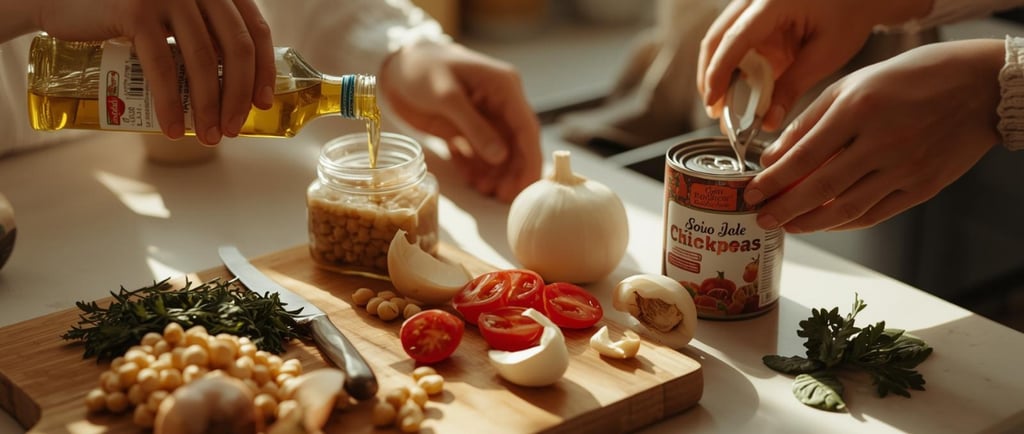
We’ve all been there. It’s late, you’re hungry, and your fridge looks discouragingly empty. You consider ordering takeout — again — until you open your pantry and realize it’s your hidden safety net. The truth is, a well-stocked pantry can rescue dinner any night of the week, but only if it’s stocked intentionally.
This article is your complete pantry audit — a practical guide to the twelve ingredients that will save any dinner, whether you’re cooking for one or feeding a family. With these staples, you can build full meals, flavor anything, and turn “nothing to eat” into something delicious in 20 minutes or less.
Why a Smart Pantry Beats a Full One
A cluttered pantry isn’t a helpful one. Expired spices, half-used sauces, and five types of dried beans you never cook don’t make your life easier — they make decisions harder. A smart pantry focuses on versatility, longevity, and impact.
The goal isn’t to buy more, but to buy better: ingredients that form the backbone of multiple cuisines and meals. This isn’t a gourmet list; it’s a foundation for real-life cooking — quick, flexible, and satisfying.
The Rescue Framework: Base + Booster + Fresh + Texture
Think of dinner as a modular system. If you have these four elements, you can build a meal without a recipe.
Base: pasta, rice, couscous, or bread — the body of the meal.
Booster: ingredients that add depth — sauces, spices, oils, canned goods.
Fresh: anything that adds life — herbs, onions, garlic, frozen vegetables, or even a squeeze of lemon.
Texture: the finishing touch — crunch, acidity, or creaminess that brings balance.
The twelve staples below fill every one of these categories, working together in endless combinations.
1. Canned Tomatoes (and Tomato Paste)
No pantry item works harder. Tomatoes are the base for soups, sauces, curries, and stews. They turn a handful of dry pasta or canned beans into a real dinner.
Why they save dinner: High in umami and acid, they build flavor fast.
Quick wins:
Simple tomato and garlic pasta.
Tomato-chickpea stew with cumin and paprika.
One-pan shakshuka for breakfast or dinner.
Tips: Buy whole peeled or crushed tomatoes with no added sugar. Tomato paste in a tube lasts longer than canned.
Shelf life: 12–18 months unopened; open paste lasts 6–8 weeks refrigerated.
2. Dried Pasta (Short and Long)
Pasta is more than an Italian essential — it’s a universal fast fix. Keep at least one short shape (rigatoni or penne) and one long (spaghetti or linguine).
Why it saves dinner: It cooks in 10 minutes and pairs with nearly every pantry item.
Quick wins:
Pantry puttanesca (tomatoes, olives, chili flakes, olive oil).
Lemon-tuna pasta with herbs.
Miso-butter noodles with sesame and scallions.
Tip: Always reserve a cup of pasta water — it helps sauces cling and adds flavor.
3. Rice or Couscous
Rice anchors so many cuisines. Couscous, meanwhile, cooks in five minutes and delivers the same satisfaction. Together, they’re the “blank canvas” of your pantry.
Why it saves dinner: They stretch leftovers into full meals and pair with any flavor profile.
Quick wins:
Fried rice with egg, frozen vegetables, and soy sauce.
Spiced couscous with chickpeas and roasted vegetables.
Coconut rice with chili-lime beans.
Storage: Airtight container, away from moisture. Shelf life: 12–18 months.
4. Canned Beans and Chickpeas
Protein, fiber, and convenience in one. They’re ready to eat, cheap, and endlessly adaptable.
Why they save dinner: They replace meat in soups, salads, or skillet meals.
Quick wins:
Chickpeas simmered in tomato sauce with paprika.
Cannellini beans tossed with garlic, chili, and lemon.
Black bean tacos or chili.
Tip: Rinse canned beans to remove excess sodium. Keep a mix of chickpeas, black beans, and white beans on hand.
Storage: 1–2 years unopened; refrigerate any leftovers in airtight glass containers.
5. Canned Fish (Tuna, Sardines, or Mackerel)
Canned fish is protein that doesn’t need cooking — ideal for quick meals when time is tight.
Why it saves dinner: It’s shelf-stable and packed with flavor and nutrition.
Quick wins:
Tuna-lemon pasta with chili flakes.
Sardines on toast with tomatoes and capers.
Mackerel rice bowl with soy and scallions.
Tip: Choose fish packed in olive oil for better texture and taste.
Storage: Up to 5 years unopened. Once opened, transfer to glass and refrigerate up to 3 days.
6. Coconut Milk
This single ingredient can turn anything into comfort food. It adds richness without dairy and depth without much effort.
Why it saves dinner: Creaminess, balance, and the power to transform beans, rice, or vegetables into a curry.
Quick wins:
Chickpea coconut curry with chili and lime.
Coconut tomato soup.
Creamy miso-coconut noodles.
Storage: 1–2 years unopened. Refrigerate leftover milk for up to 5 days.
7. Stock Concentrate or Bouillon
Homemade stock is great — but jarred bouillon or concentrate gives the same depth in seconds.
Why it saves dinner: It transforms water into broth for soups, sauces, and grains.
Quick wins:
10-minute vegetable soup with beans and greens.
Brothy noodles with soy sauce and chili oil.
Pan sauce with butter, wine, and bouillon.
Tip: Choose low-sodium to control salt. Bouillon paste keeps for months in the fridge.
8. Olive Oil (and One Neutral Oil)
Olive oil is the backbone of flavor. It enhances everything it touches — pasta, beans, vegetables, or bread.
Why it saves dinner: It’s both a cooking base and a finishing touch.
Quick wins:
Sheet-pan vegetables drizzled with olive oil and paprika.
Chili-garlic oil for noodles or eggs.
No-cook tomato sauce for pasta.
Storage: Store in a dark, cool place to prevent bitterness.
Pro tip: Keep one bottle for everyday cooking and one premium bottle for finishing dishes.
9. Vinegars and Shelf-Stable Acids
A splash of vinegar or citrus wakes up any dish. Acidity balances richness, cuts fat, and adds brightness.
Why it saves dinner: It rescues dull flavors and builds complex sauces instantly.
Quick wins:
Fast vinaigrette for any salad or grain bowl.
Deglaze a pan for quick pan sauces.
Pickled onions for tacos or sandwiches.
Best to stock: Apple cider, red wine, and rice vinegar — plus bottled lemon juice if fresh isn’t available.
Storage: Indefinite shelf life in a cool, dark cupboard.
10. Soy Sauce or Tamari
Salt, umami, and complexity in a single bottle. Soy sauce enhances flavor across cuisines.
Why it saves dinner: Adds instant savoriness — even in non-Asian dishes.
Quick wins:
Soy-butter noodles with scallions.
Fried rice with egg and frozen vegetables.
Pan-glazed mushrooms or chicken.
Tip: Naturally brewed soy sauces have richer taste. Keep tamari for gluten-free needs.
11. Spice Trio: Chili Flakes, Cumin, and Smoked Paprika
You don’t need a full spice cabinet — just a few powerful, versatile seasonings.
Why they save dinner: They build flavor fast, even when cooking with minimal ingredients.
Quick wins:
Chili oil for drizzling on eggs or noodles.
Sheet-pan vegetables with cumin and paprika.
Spiced bean stew with chili and lemon.
Storage: Replace ground spices yearly; store in a cool, dark cupboard.
Pro tip: Toast whole spices before grinding for deeper aroma.
12. The Aromatic Trio: Onions, Garlic, and Ginger
Fresh flavor, long shelf life, and foundational to countless recipes.
Why they save dinner: They’re the flavor base for nearly every cuisine — Italian, Indian, Asian, or Latin.
Quick wins:
Garlic-chili oil for instant flavor.
Onion-tomato base for soups and sauces.
Ginger-soy stir-fry in 10 minutes.
Storage: Keep onions and garlic in a cool, dry space. Freeze peeled ginger knobs whole for long-term use.
Fast Dinner Templates: How the Staples Work Together
15-Minute Pasta
Base: pasta
Sauce: canned tomatoes + olive oil + chili flakes
Finish: vinegar splash or parmesan
One-Pan Curry
Base: rice
Sauce: coconut milk + chickpeas + cumin + garlic
Finish: vinegar or lime juice
Protein Toast
Base: bread
Topping: beans or sardines + olive oil + herbs
Finish: chili flakes or vinegar drizzle
Couscous Bowl
Base: couscous
Mix-ins: tomatoes + beans + vinegar + oil
Finish: fresh onion or herbs
With a few fresh or frozen add-ins, these can rotate into your weekly routine indefinitely.
How to Audit and Maintain Your Pantry
A pantry audit is about clarity, not perfection. Once a month, take ten minutes to reset your shelves.
Empty the shelves. Wipe them down and check expiration dates.
Group by category: grains, proteins, sauces, spices.
Toss duplicates or expired items.
Label containers: write open dates for sauces or grains.
Organize by frequency: everyday items at eye level, backups below.
Maintenance tip: Replace spices every 6–12 months and rotate canned goods using the “first in, first out” rule.
Avoiding Common Pitfalls
Overbuying niche items. Skip trendy condiments you’ll use once. Stick to versatile staples.
Forgetting to restock. Keep a running note on your phone for reorders.
Ignoring quality. A good olive oil or tomato brand makes a noticeable difference.
Neglecting freshness. Even shelf-stable foods lose flavor; check your stock quarterly.
Budget and Dietary Adaptations
Budget: Store brands for beans and tomatoes are fine — flavor comes from technique, not price.
Vegan/vegetarian: Rely on beans, coconut milk, miso, and bouillon for protein and depth.
Gluten-free: Stock rice, quinoa, and tamari.
Low-sodium: Choose low-salt canned goods and add brightness with vinegar or herbs.
The Calm of Preparedness
A well-stocked pantry isn’t about stockpiling — it’s about confidence. With these twelve staples, you can walk into your kitchen tired, uninspired, and still know exactly what to make. Every jar, can, and grain has a purpose; every combination a possibility.
So tonight, instead of asking “What’s for dinner?”, ask “Which of my twelve allies will I use?” Start your audit this week, fill the gaps, and rediscover the quiet joy of being ready for anything.
Follow Sofia!
stay connected
subscribe for updates
© 2025. All rights reserved.